Using Containerized Water Treatment Systems for Technology Pilot Testing

Water treatment pilot testing is essential for de-risking major capital investments, but traditional methods are often logistically burdensome. Learn how containerized systems streamline the process.
Note: This post is a general introduction written by our marketing team and reviewed for technical accuracy by our engineers. For in-depth analysis of a specific technology or application, please contact our engineering team.
The design and construction of a new water treatment facility often represent one of the most significant capital investments a consulting engineer will ever oversee. With tens of millions of dollars on the line, the cost of errors is unacceptably high.
While desktop modeling and initial water analysis provide a necessary baseline for design, they cannot fully predict how fluctuating water chemistry will impact process equipment over decades of operation. A theoretical model cannot account for every seasonal spike in turbidity, unexpected changes in temperature, or the long-term fouling rates of specific membrane chemistries. This gap between theoretical design and operational reality is where significant financial and technical risk resides.
Water treatment pilot testing effectively closes this gap. By testing treatment processes at a demonstration scale using the actual water source, engineers can validate their design assumptions before concrete is poured.
However, traditional piloting is often viewed as a logistical burden. It requires its own temporary infrastructure, indoor space, and climate control just to run the test.
Laminar Water removes these barriers. With a self-contained, containerized treatment system, water treatment piloting becomes a streamlined risk-mitigation strategy. This approach allows stakeholders to compare vendors side-by-side and secure public buy-in without the need for costly temporary construction.
How Water Treatment Pilot Testing Pays for Itself
Many stakeholders view piloting as optional; a line item that can be minimized or cut entirely if the budget is tight. This view fundamentally misunderstands the economics of water infrastructure design. A well-executed pilot study is rarely a sunk cost; rather it is a net-zero investment or even a source of significant long-term savings.
The primary goal of a pilot is often assumed to be binary: demonstrating that a specific water treatment technology works. While validation is critical for peace of mind, the true financial value of a water treatment pilot lies in optimization.
Without site-specific pilot data, responsible engineers must design for uncertainty. This means applying conservative safety factors to ensure the plant can handle theoretical worst-case scenarios. In practice, this inevitably leads to over-engineering: oversized pumps, excessive chemical dosing capabilities, and larger-than-necessary footprints.
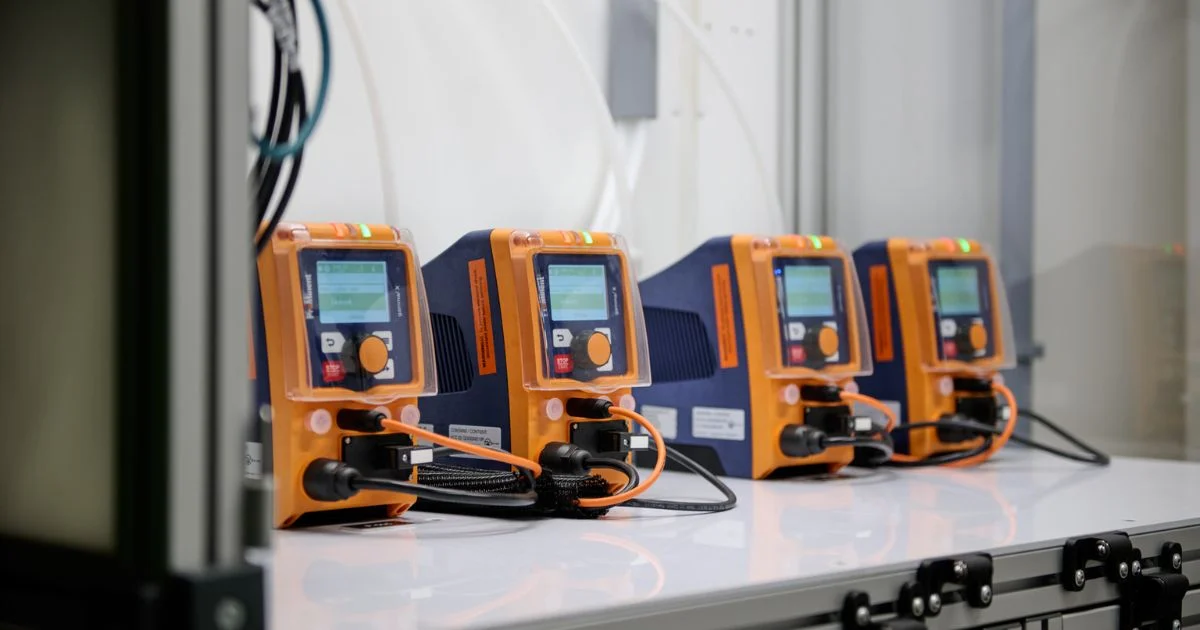
Water treatment piloting replaces these assumptions with hard data, allowing the engineering team to dial in exact process parameters (chemical dosing rates, backwash frequencies, and flux rates) before a single piece of permanent equipment is ordered. The savings generated by this optimization often offset the pilot's entire cost.
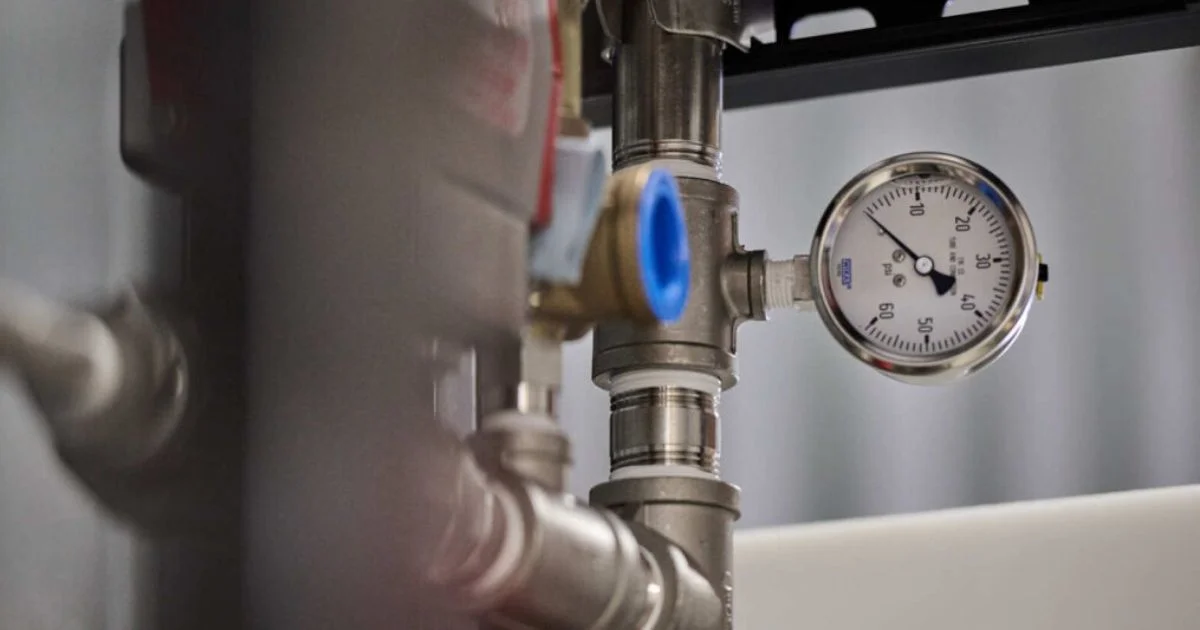
Consider the design of a Reverse Osmosis (RO) system. A theoretical desktop model might suggest that an operating pressure of 200 psi is required to meet effluent standards.
However, a site-specific pilot study might demonstrate that the actual water chemistry allows optimal performance only at 150 psi. This single data point changes the trajectory of the entire project. It allows the full-scale design to use smaller, less expensive pumps (Capital Expenditure savings) and significantly reduces energy consumption each hour the plant operates over its 20-year lifespan (Operating Expenditure savings). When these long-term efficiencies are calculated, the pilot's cost is often negligible compared to the millions saved in the execution and operation of the full-scale system.
Building Stakeholder Confidence
For consulting engineers and public works directors, the technical data often speaks for itself. However, for the non-technical stakeholders who hold the purse strings (town councils, municipal boards, investment committees, etc.) water treatment technology can feel like a "black box." They are frequently asked to approve tens of millions of dollars in spending based on complex engineering reports and hydraulic models they may not fully grasp.
This confidence gap can stall critical infrastructure projects. Water treatment piloting bridges this divide by providing tangible, physical proof.
There is a big psychological difference between reviewing a theoretical projection and standing in front of a running system, watching clear, clean water flow from the treatment train.
Piloting transforms a proposal into a proven reality. It demonstrates to the community and its leaders that the selected technology works on their specific water source, effectively removing the fear of the unknown.
Beyond confidence in public health, piloting provides critical regulatory validation. With the regulatory landscape shifting rapidly (particularly regarding new limits for PFAS and other emerging contaminants) committing to a full-scale design without site-specific validation is a gamble. A pilot study allows a community to prove definitively that the proposed solution will meet current and future compliance standards before breaking ground.
The Science of Comparison
Selecting the right water treatment technology partner is rarely a simple choice. Municipal procurement rules often mandate a competitive selection process, requiring engineers to evaluate multiple suppliers for critical components, such as comparing Reverse Osmosis (RO) membranes from different manufacturers or testing activated carbon media from competing sources.
In a traditional pilot scenario, this comparison is often scientifically flawed. Typically, Vendor A arrives with their proprietary pilot skid, and Vendor B arrives with a completely different unit. While both systems technically perform the same function, they are mechanically distinct. Differences in pump curves, pre-treatment filtration levels, instrumentation accuracy, and even hydraulic design create significant "confounding variables."
When analyzing the data, this leads to the "Skid Bias" problem: Is Vendor A's membrane actually performing better, or is their pilot skid simply maintaining more stable pressure?
Are Vendor B's results poorer because of the media, or because their skid's pre-filter allowed more fouling? In this environment, making a defensible, data-driven decision is nearly impossible.
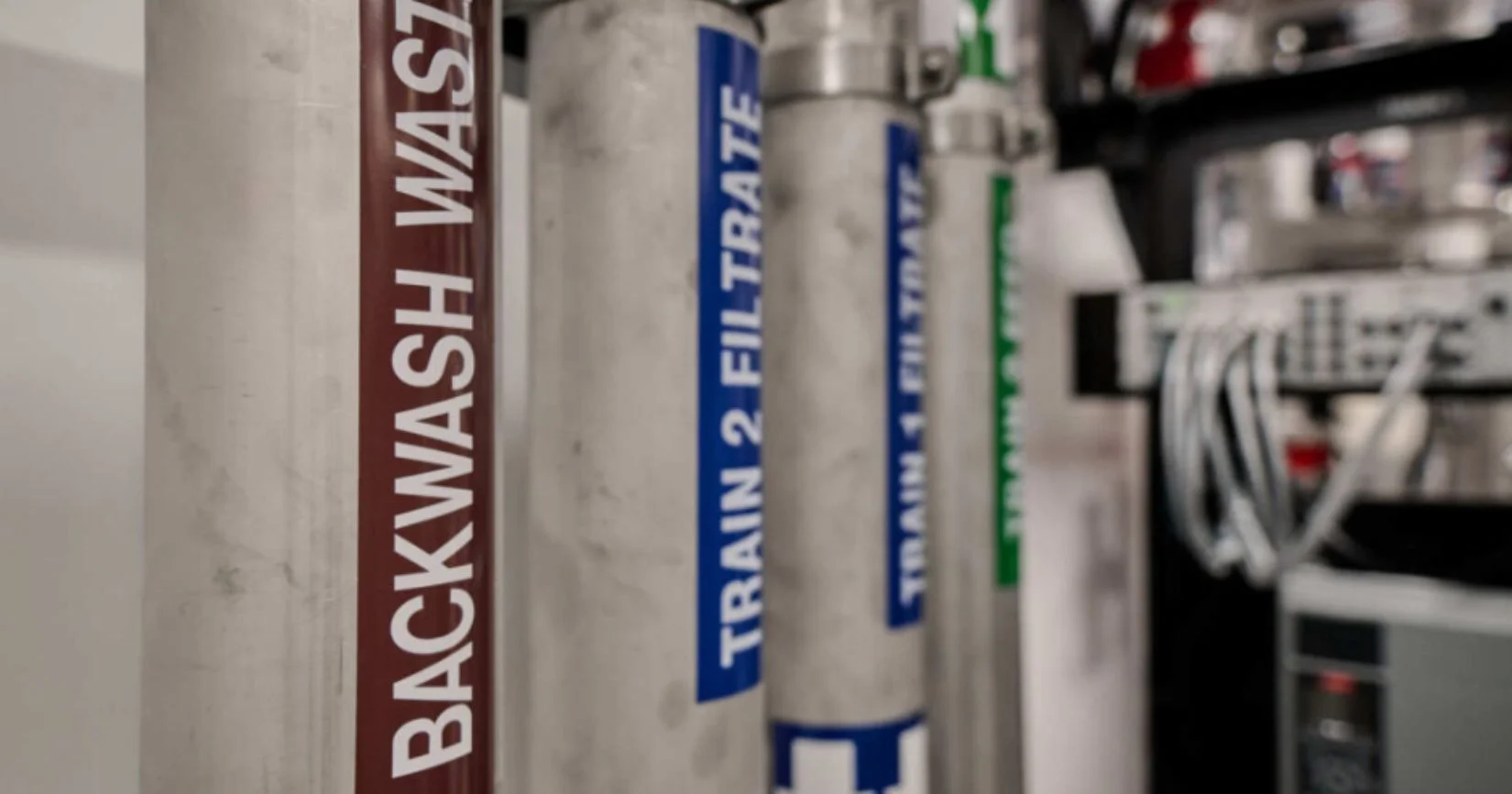
Laminar Water solves this by controlling the environment. Our containerized water treatment systems are designed to accommodate two competing vendor technologies side-by-side within the same infrastructure. This setup ensures that the only variable changing is the specific component being tested.
Both treatment trains are fed by the same raw water source, subjected to identical temperature fluctuations, and monitored by a unified data-logging system. Because our systems are configurable, we can adjust specific operating parameters to meet each vendor's warranty specifications without changing the surrounding infrastructure. This rigor delivers a true "apples-to-apples" comparison, giving decision-makers the unassailable data they need to select the best long-term solution.
Overcoming the Infrastructure Barrier
Even when the financial and technical arguments for piloting are sound, logistical realities often prevent the study from proceeding. In the traditional model, a pilot study is essentially a miniature construction project. To run a test through a Canadian winter or a scorching summer, you cannot simply place delicate equipment in an open field. You need a heated, secure, weather-proof structure.
This requirement forces the owner to find or build a suitable space just to house the test equipment. Suddenly, a simple water study may require concrete foundations, framed walls, electrical drops, or new climate control systems. This "project within a project" drains budgets, consumes valuable real estate, and adds months to the timeline before a single drop of water is treated.
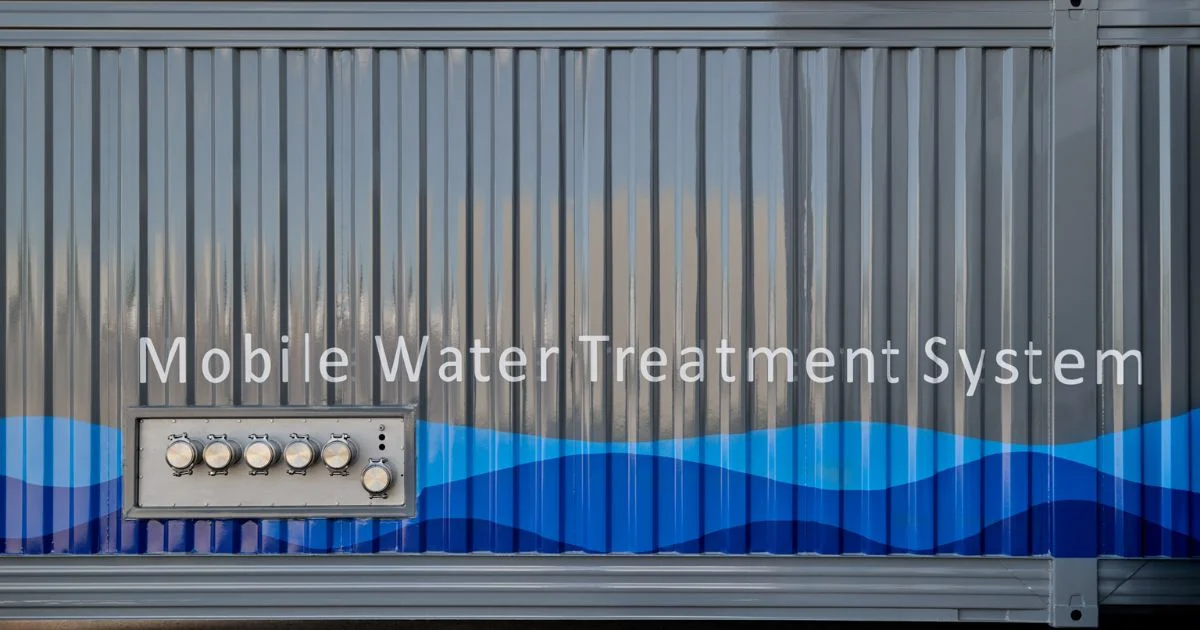
Laminar Water’s containerized approach eliminates this infrastructure barrier entirely. Housed in an insulated, high-strength Corten steel shipping container, the pilot unit arrives on-site with all necessary infrastructure built in.
There is no need to construct a temporary shed. The system requires only a simple gravel pad and utility connections. With integrated, redundant HVAC systems, our units maintain stable internal operating temperatures regardless of external weather conditions. This "plug-and-play" capability means the pilot focuses solely on water treatment, not on construction logistics, enabling rapid deployment and immediate data collection.
The New Standard for Water Treatment Project Validation
For decades, municipalities and engineers have had to weigh the technical benefits of piloting against the logistical and financial heavy lifting required to execute it. That trade-off is no longer necessary.
Laminar Water has transformed what was once a burdensome construction project into a streamlined, high-value asset. We provide the infrastructure, the climate control, and the scientific rigor required to validate your design and optimize your investment.
When the cost of a water treatment pilot is measured against the millions saved in full-scale capital efficiency and operational optimization, the question shifts. It is no longer "Can we afford to pilot?" but rather, "Can we afford not to?"
If you are planning a major water treatment upgrade, let’s define the parameters together. Contact our engineering team today to discuss how a pilot study can de-risk your next project.